
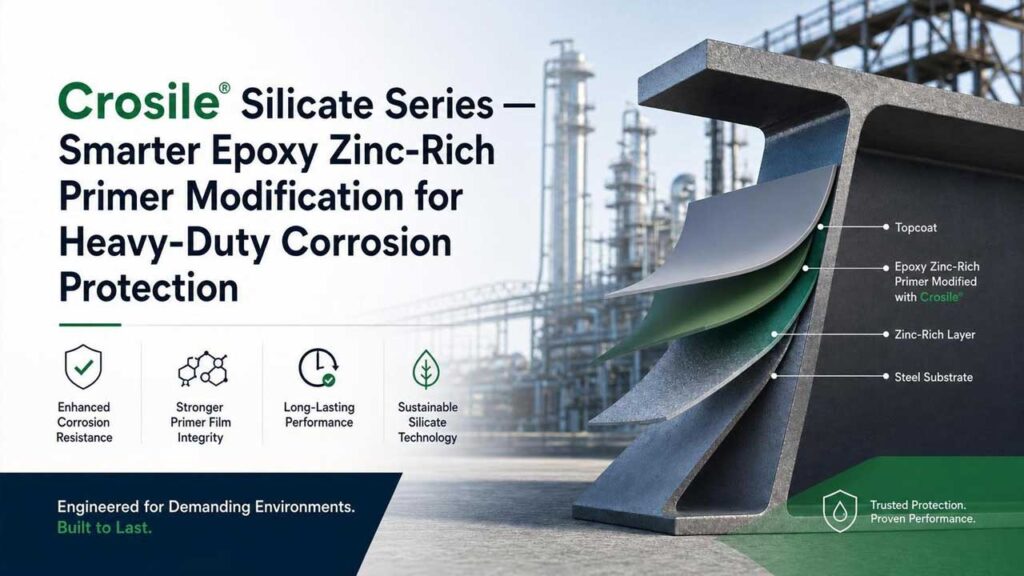
A steel structure coated last spring is already showing rust creep at the edges — not because the specification was wrong, but because the silicate binder was inconsistent from batch to batch.
Epoxy zinc-rich primers are a cornerstone of heavy-duty industrial corrosion protection, yet formulators know the frustration all too well: inconsistent silicate batches force constant formula recalibration, unpredictable hydrolysis causes gelation in summer and incomplete cure in winter, and high zinc-loading systems clog spray equipment on the production line. These are not minor inconveniences. They translate directly into rework costs, delayed deliveries, and lost contracts. If your current silicate supplier is costing you more than just raw material spend, it is time to look closer at what your binder system is actually delivering.
Guangzhou Ecopower New Materials Co., Ltd. specializes in the R&D and supply of silicon-based specialty chemicals, with a core product portfolio covering silane coupling agents, silane oligomers, silicone resins, and other specialty organosilicon products. This article outlines the principles of silicate modification and key application considerations, and introduces the application solutions of our proprietary Crosile® series silicate products in epoxy zinc-rich coatings, providing targeted technical support for anticorrosion coating formulators and production engineers.
1. Mechanism of Action: Silicate Modification in Epoxy Zinc-Rich Coatings
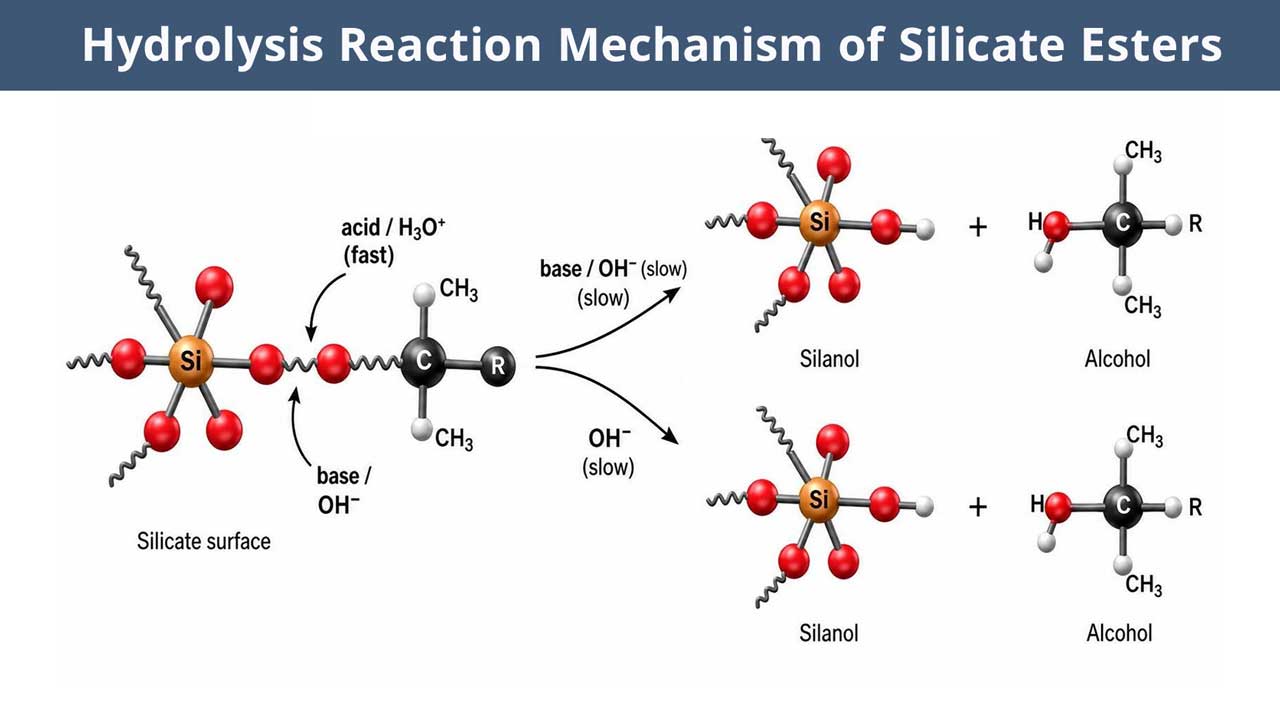
After application, the silicate undergoes hydrolysis to generate silanol groups (Si-OH). These reactive intermediates simultaneously participate in three distinct condensation pathways, collectively forming a cross-linked “epoxy resin–polysiloxane” interpenetrating network structure that underpins the coating’s enhanced performance:
Substrate Anchoring
A portion of the silanol groups undergoes condensation with surface hydroxyl groups on the metal substrate, establishing covalent interfacial bonds. This mechanism directly improves coating adhesion to steel, particularly under cyclic wet-dry and chemically aggressive service conditions.
Resin Cross-Linking
A second fraction of silanol groups undergoes condensation grafting with pendant hydroxyl groups on the epoxy resin backbone, forming a permanent covalent linkage between the two film-forming components rather than a simple physical mixture.
Dense Network Formation
The remaining silanol groups undergo self-condensation to produce a continuous polysiloxane (–Si–O–Si–) network. This inorganic network interpenetrates with the organic epoxy matrix, substantially improving the coating’s resistance to abrasion, UV weathering, and ionic corrosion species.
The combined effect of these three pathways yields a hybrid organic-inorganic coating matrix that is structurally tougher, chemically more resistant, and significantly longer-lasting than conventional epoxy zinc-rich systems.
2. Crosile® Series Silicate Products from Guangzhou Ecopower New Materials Co., Ltd.
Not all silicates perform equally, and the difference shows up where it matters most: on the production line and in the field. To address the precise modification requirements of epoxy zinc-rich coatings, Guangzhou Ecopower New Materials Co., Ltd. has developed three tiered products — Crosile®-28 / Crosile®-32 / Crosile®-40 — covering SiO₂ contents of 28% / 32% / 40%, engineered to match the full formulation range from low to medium to high zinc-loading systems.
✅ Exceptional Batch-to-Batch Consistency: SiO₂ content deviation is controlled within ±0.5%, surpassing general industry standards. For formulators, this means fewer incoming inspection failures, less formula recalibration between production runs, and lower total QC cost per batch — predictability you can build a production schedule around.
✅ Precisely Controlled Hydrolysis: With impurity content <0.1% and a volatilization rate finely matched to hydrolysis kinetics, Crosile® performs reliably across a wide application temperature range of 5–35°C, eliminating the gelation risk in summer heat and the incomplete cure risk in winter cold that plague standard silicate products.
✅ Strong Compatibility with High-Zinc Systems: Crosile®-40 delivers outstanding dispersibility in 50–60% zinc powder systems, resisting agglomeration and preventing spray gun clogging, so your automated production line runs without interruption and without compromise.
✅ Drop-In Formula Compatibility: Fully compatible with a wide range of epoxy resins, zinc powders, and standard coating additives. Existing formulations can integrate Crosile® directly with no major process modifications required, reducing your development time and trial costs from day one.
(Figure 2: Product photo of the Crosile® silicate)
3. Crosile® Product Parameter Table
| Parameter | Crosile®-28 | Crosile®-32 | Crosile®-40 |
|---|---|---|---|
| Product Type | Tetraethyl Orthosilicate | Ethyl Silicate (Medium Degree of Polymerization) | Ethyl Silicate |
| Structural Formula | Si(C₂H₅O)₄ | {Si(C₂H₅O)₄}ₙ | {Si(C₂H₅O)₄}ₙ |
| SiO₂ Content | 28 ± 0.5% | 32 ± 0.5% | 40 ± 0.5% |
| CAS No. | 78-10-4 | Please contact Technical Dept. | 11099-06-2 |
| Relative Density (20°C) | 0.93–0.94 | 0.97–0.99 | 1.04–1.07 |
| Typical Application | Low zinc-loading, general industrial anticorrosion | Medium zinc-loading, general industrial anticorrosion | High zinc-loading, heavy-duty anticorrosion (marine / chemical / port) |
4. Crosile® Implementation Solutions for Epoxy Zinc-Rich Coatings
4.1 Reference Formulation (Example: Crosile®-40 High Zinc-Loading Heavy-Duty Anticorrosion Primer)
This system is formulated as a two-component coating: Component A comprises epoxy resin, zinc powder, Crosile®, solvent, and functional additives; Component B is a polyamide/amine-type curing agent. Both components are combined on-site at the specified A:B ratio, mixed thoroughly, and applied within the designated pot life window.
| Component | Proportion | Function |
|---|---|---|
| Epoxy Resin | 25–30% | Film-forming material |
| Zinc Powder | 50–60% | Core electrochemical corrosion protection agent |
| Crosile®-40 | 3–8% | Enhances abrasion resistance, corrosion resistance, and adhesion |
| Mixed Solvent | 10–15% | Adjusts viscosity, improves application properties |
| Curing Agent | 8–12% | Cross-links with epoxy resin |
| Additives (anti-settling / leveling) | 0.5–2% | Improves coating surface condition |
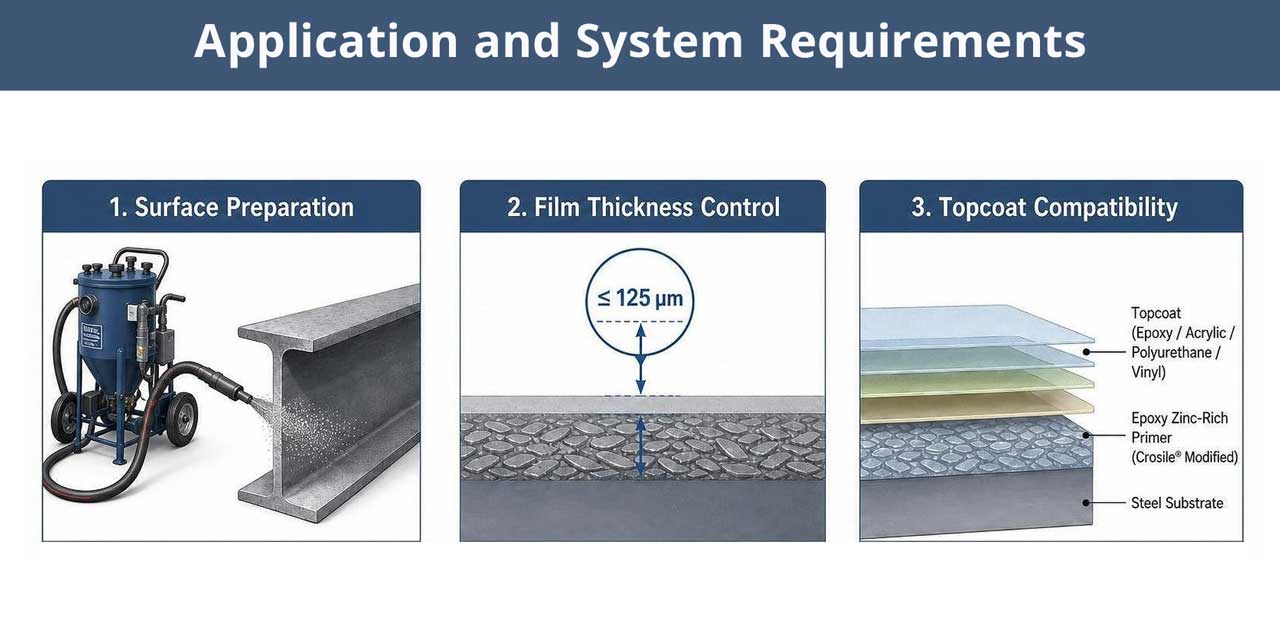
4.2 Application and System Requirements
- Surface Preparation: Abrasive blast cleaning to Sa2.0 grade is required to ensure adequate contact between the zinc powder and the metal substrate. Surface cleanliness and anchor profile directly affect coating adhesion and long-term corrosion performance.
- Film Thickness Control: Single-coat dry film thickness should be kept below 125 μm. Exceeding this threshold increases internal stress within the curing film and raises the risk of cracking, particularly in high zinc-loading formulations.
- Topcoat Compatibility: When used as a primer, it can be overcoated with epoxy, acrylic, polyurethane, or vinyl-type topcoats.
4.3 Grade Selection Guide
| Application Scenario | Zinc Powder Loading | Recommended Grade | Key Advantage |
|---|---|---|---|
| General industrial building steel structure protection | 30–40% | Crosile®-28 | Low cost, wide application window |
| General industrial equipment / pipeline protection | 40–50% | Crosile®-32 | Moderate solids content, compatible with most general formulations |
| Marine engineering / chemical storage tanks / cross-sea bridges | 50–60% | Crosile®-40 | Forms a dense siloxane network for superior long-term corrosion protection |
Application Precautions
- The Crosile® series silicates are susceptible to hydrolysis upon contact with moisture. Store in sealed containers in a cool, dry location. Shelf life: 12 months.
- During compounding, strictly control the moisture content of the system to below 0.05% to prevent pre-gelation.
- In high-humidity environments (relative humidity >85%), it is recommended to use dehumidification equipment or adjust the solvent evaporation rate accordingly.
5. Salt Spray Testing and Corrosion Performance Validation
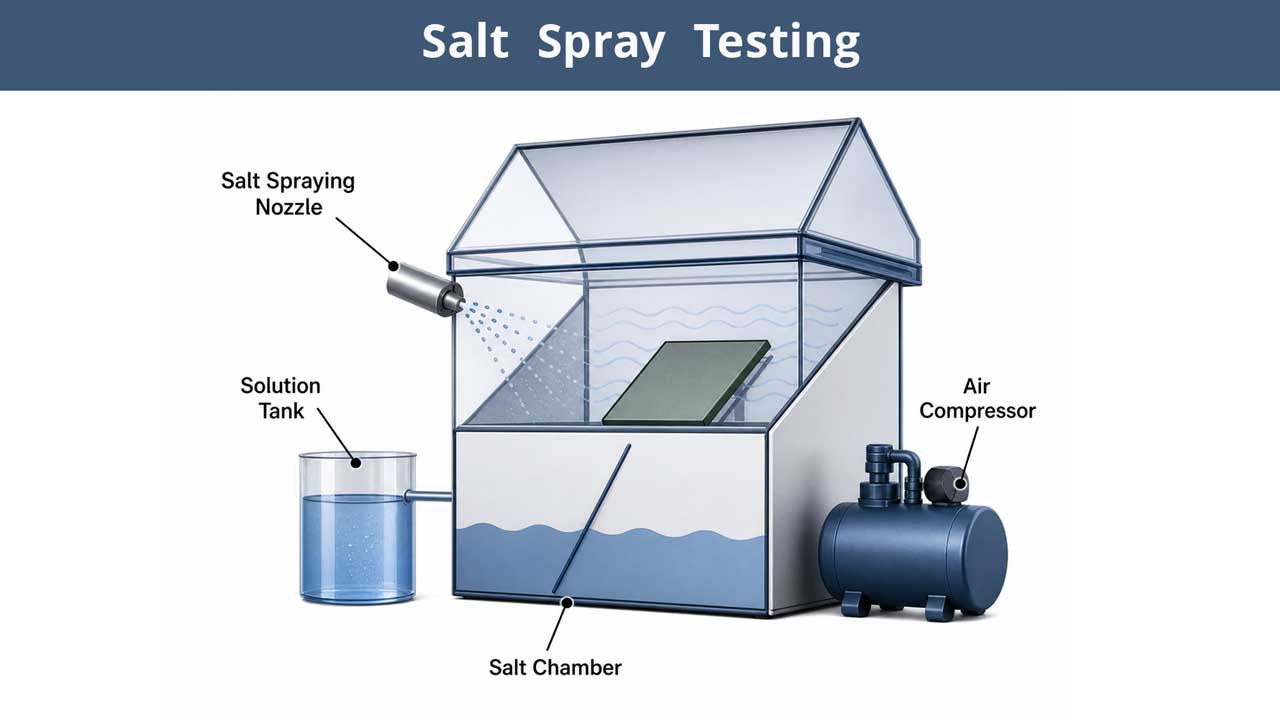
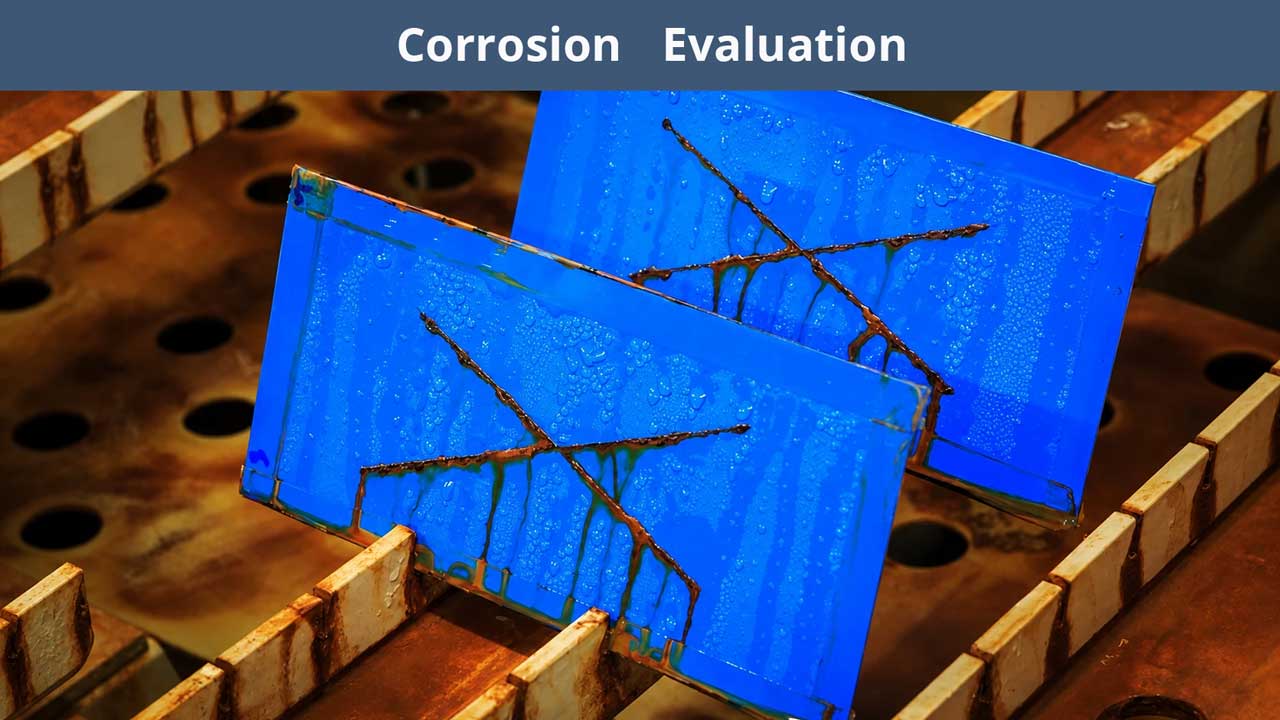
The Crosile® series has moved well beyond laboratory validation. These products are currently in large-scale production use at several leading anticorrosion coating manufacturers, where real-world data consistently confirms stable salt spray resistance performance and exceptional batch-to-batch reproducibility. For our clients, that translates into a raw material they can depend on across every production run — one that holds up not just in the test chamber, but on bridges, storage tanks, and offshore structures where coating failure is not an option.
About Guangzhou Ecopower New Materials Co., Ltd.
Guangzhou Ecopower New Materials Co., Ltd. is deeply rooted in the field of silicon-based new materials, focusing on the R&D, production, and sales of specialty organosilicon products including silane coupling agents, silane oligomers, and silicone resins. With a comprehensive quality control system and a dedicated technical R&D team, we are committed to providing high-quality raw materials and customized formulation solutions to clients across the CASE industry.
Ready to upgrade your epoxy zinc-rich formulation? Contact our technical team today for product samples, formulation consultation, or a customized supply proposal.
Contact Us:
📞 WhatsApp /Mobile :+86 13802793127
📧 Email: sales@ecopowerchem.com
🏢 Factory Address: Yunshan Economic Development Zone, Yongxiu County, Jiujiang City, Jiangxi Province
Note: The technical parameters and application recommendations in this article are based on general industry experience and our company’s experimental data. Specific formulations must be adjusted and validated according to each customer’s actual application scenario. Guangzhou Ecopower New Materials Co., Ltd. reserves the right of final interpretation.
©2026 Guangzhou Ecopower New Materials Co., Ltd. All Rights Reserved | Please credit the source upon reproduction.